

Vested Interest is a bi-weekly newsletter about what the latest developments in economics and finance might mean for your money, career, and life in general.
By submitting your email you agree to Wealthfront’s Terms of Use and will receive newsletter emails at the address provided. You may unsubscribe at any time.
Is “kids playing sports” an asset class?
August 21, 2026
 | ||||||
 One of the private equity companies working in the youth sports space does, in fact, sell $7 hot dogs. (Images via iStock.) | ||||||
 | ||||||
| Three numbers that explain the economic moment | ||||||
| ||||||
| Share this section | ||||||
 | ||||||
| What’s quietly moving (or allegedly moving) across borders these days | ||||||
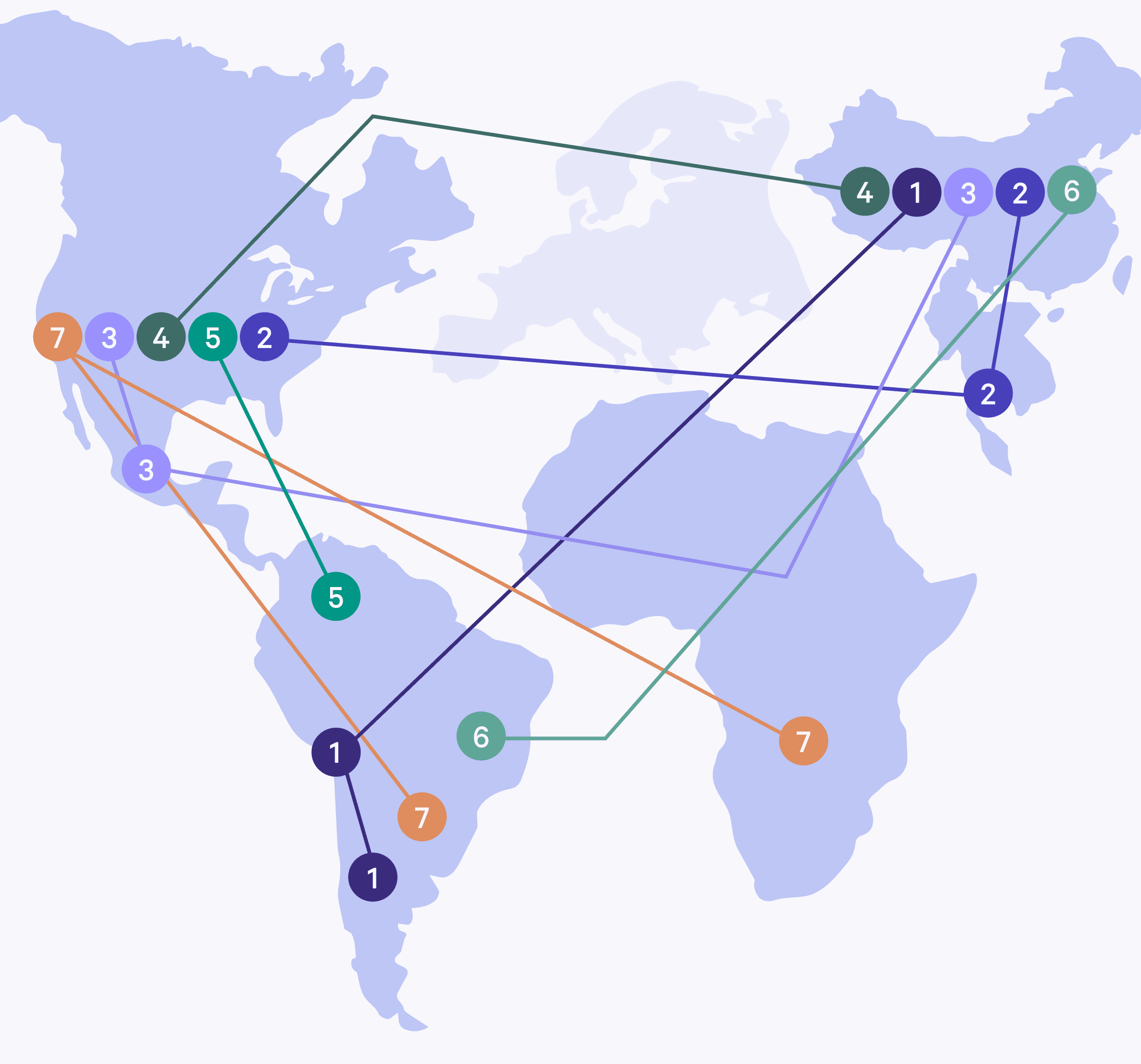  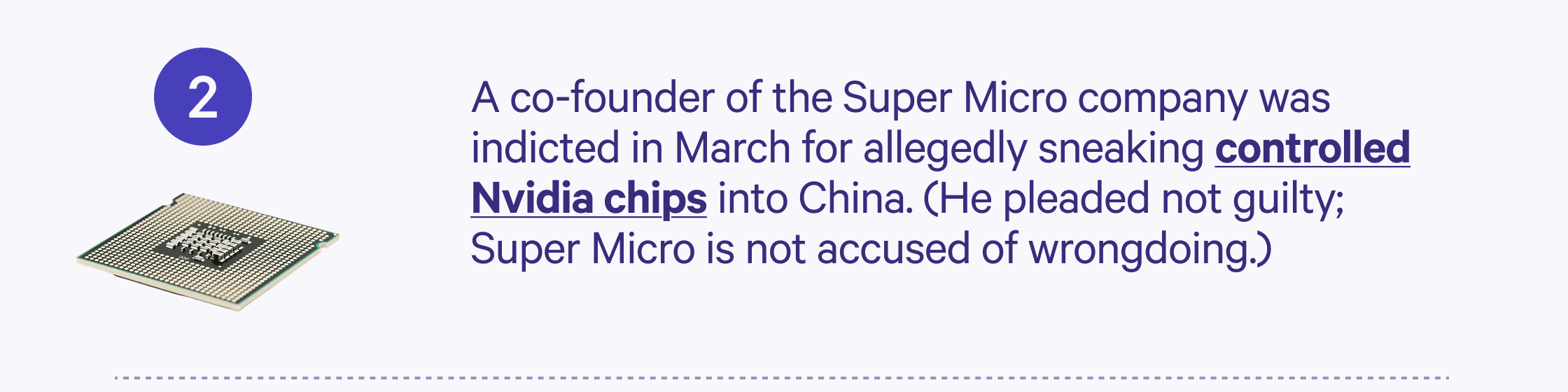      Images via iStock | ||||||
| Share this chart | ||||||
 | ||||||
| The most important drawing in retail history | ||||||
 The initial concept for the scannable barcode. (Image via US Patent Office.) Here’s a piece of trivia for vacation season: One of the men who co-invented the UPC symbol, Norman Joseph Woodland, said he came up with the idea for the barcode while looking at lines his fingers had idly traced through sand at the beach. That concept became the diagram above, filed with a patent application in October 1949. Woodland and his partner only made $15,000 off their creation, selling it to Philco in 1952, because the technology required to make it practical at scale wasn’t perfected until the 1970s. (Making the code out of vertical lines instead of circles also made it easier to print.) | ||||||
| Share this section | ||||||
 | ||||||
| Americans love making money and caring too much about sports. What happens when those two passions collide? | ||||||
 Image by Wealthfront Nothing says “the end of summer” like the Little League World Series edging its way onto TV screens. Founded in 1939 by a lumberyard clerk and still largely volunteer-run and locally sponsored, the nonprofit Little League organization continues to draw around 2 million participants each year. The LLWS has a private challenger, though: The Ripken Nationals, a tournament that culminates in a July 4 title game for 12-year-old boys, the same demographic that competes in Little League. (This year, the Nationals were broadcast on CBS Sports Network.) And Ripken Baseball is owned by Unrivaled Sports, a firm founded by veterans of capital management titans Apollo and Blackstone. Youth baseball isn’t the only sport that so-called private equity investors have their eye on, and you may not be surprised to hear that not everyone is happy about that. Headlines describe international outrage, “bipartisan scrutiny,” and congressional legislation that would ban private equity from youth athletics completely. A recent state-of-the-industry sports-investing report asserted that the risk of being associated with “extraction,” i.e. increasing one’s profits by delivering a worse product, is threatening “the brand of the sector itself.” The story of this conflict says something about both modern market conditions and the timeless human impulses that drive economic outcomes. Let’s discuss! Where private equity comes from—and what it sees in sports In the early ’80s, Wall Street firms got increasingly interested in buying privately owned businesses, making big changes to the way they operated, and selling them for huge profits. Naturally, this made others keen to invest their money with those profitable firms—particularly the managers of pools of money like university endowments and pension funds. They saw a way to diversify their holdings and, well, make more money than they could by only investing in public markets. All the money coming into PE firms has sometimes left them with more cash than they know what to do with—“dry powder,” in jargon—while returns have gotten harder to come by. So they’ve sought out less obvious places for well-heeled finance types to be poking around in: Exterminators’ trucks, car washes, youth and nonprofit sports organizations. In sports, PE managers see two things: Recurring revenue (sports never seem to get less popular) and the opportunity to consolidate a hodgepodge of mom-and-pop, municipal, and volunteer operators into something more closely resembling a typical business. And what’s wrong with that, huh? Well, private equity firms have a reputation for imposing cost-cutting measures and nuisance fees without regard for their human impact, and some private owners are accused of monopolizing access to sports in certain areas in order to raise prices. (There’s evidence that youth sports have gotten less accessible to lower-income families as private money has moved in.) As FIFA and the Big Ten conference learned when they tried to sell brand rights to private investors, there is something about ceding control of a sports institution to Wall Street that strikes the average person as a bad idea. The flip side: Youth sports’ web of decentralized leagues, apps, and facilities can, in fact, create a less-than-ideal experience for both parents and actual kids. Skeptical observers ranging from this Bloomberg reporter to the lead witness at a recent congressional hearing have praised operators like Unrivaled and RCX, which runs the NFL’s flag football league, for providing useful services without raising cost barriers. (Those companies also appear to plan on retaining their properties for the long haul rather than “flipping” them like a traditional PE firm.) There’s also an argument that concerned public officials could be doing more to address issues around access and travel costs themselves by building more fields and facilities. Breaking news: Human condition to continue perpetuating itself “Once somebody does it the first time and puts the playbook together, others will follow,” says Matthew Gravelle, a director at the advisory firm Stout, which wrote the report we cited. He said the legislation mentioned above caused only a brief pause in activity; it’s considered unlikely to pass because it doesn’t have bipartisan support. Private investment in sports is not slowing: Apollo recently led a $225 million investment to consolidate the pickleball industry (!) and just signed a $2.6 billion deal with the New York Yankees. Fans want their teams to win, and that requires money, even on what used to be known as the amateur level; modern parents want to create customized enrichment and upbringing plans for each of their children, and meeting that need takes overhead. Children’s sports, pets, the Boston Red Sox—if you’ll grit your teeth and keep spending on it even if you don’t like the price you’re paying, an enterprising private equity investor will probably find it. | ||||||
| Share this story | ||||||
 # of consecutive issues in which we mentioned SpaceX before this one: 4 # of takes on the “$20 burrito” in this issue: 0, you’re welcome # of mentions of AI Milton Friedman in this issue: 1 |
One new issue, bi-weekly
By submitting your email you agree to Wealthfront’s Terms of Use and will receive newsletter emails at the address provided. You may unsubscribe at any time.