

Vested Interest is a bi-weekly newsletter about what the latest developments in economics and finance might mean for your money, career, and life in general.
By submitting your email you agree to Wealthfront’s Terms of Use and will receive newsletter emails at the address provided. You may unsubscribe at any time.
Kyla Scanlon on bringing back the starter home
July 3, 2026
 | ||||||
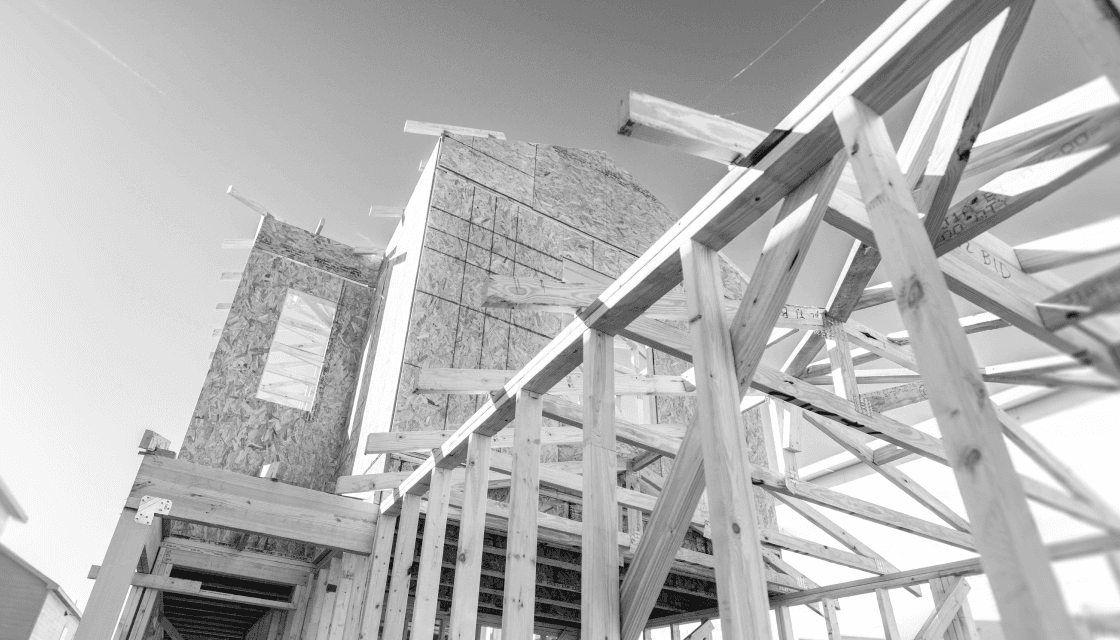 A home under construction in the booming Dallas area. (Photo via iStock.) | ||||||
 | ||||||
| Three numbers that explain the economic moment | ||||||
| ||||||
| Share this section | ||||||
 | ||||||
| “Second-tier” metros turn up | ||||||
Remote workers who want to find cheaper housing without completely giving up on big-city culture have been moving en masse to “second-tier” US municipalities, often in the Sun Belt. (Don’t get mad at us: It’s just a real estate term that refers to size, although it doesn’t seem like there are any agreed-upon population parameters that define it. European World Cup visitors, for what it’s worth, have been loving these types of places.) Corporations have followed. And as Econ 101 would dictate, this has tended to mean these cities have stopped being quite as cheap as they used to be, with one notable exception. 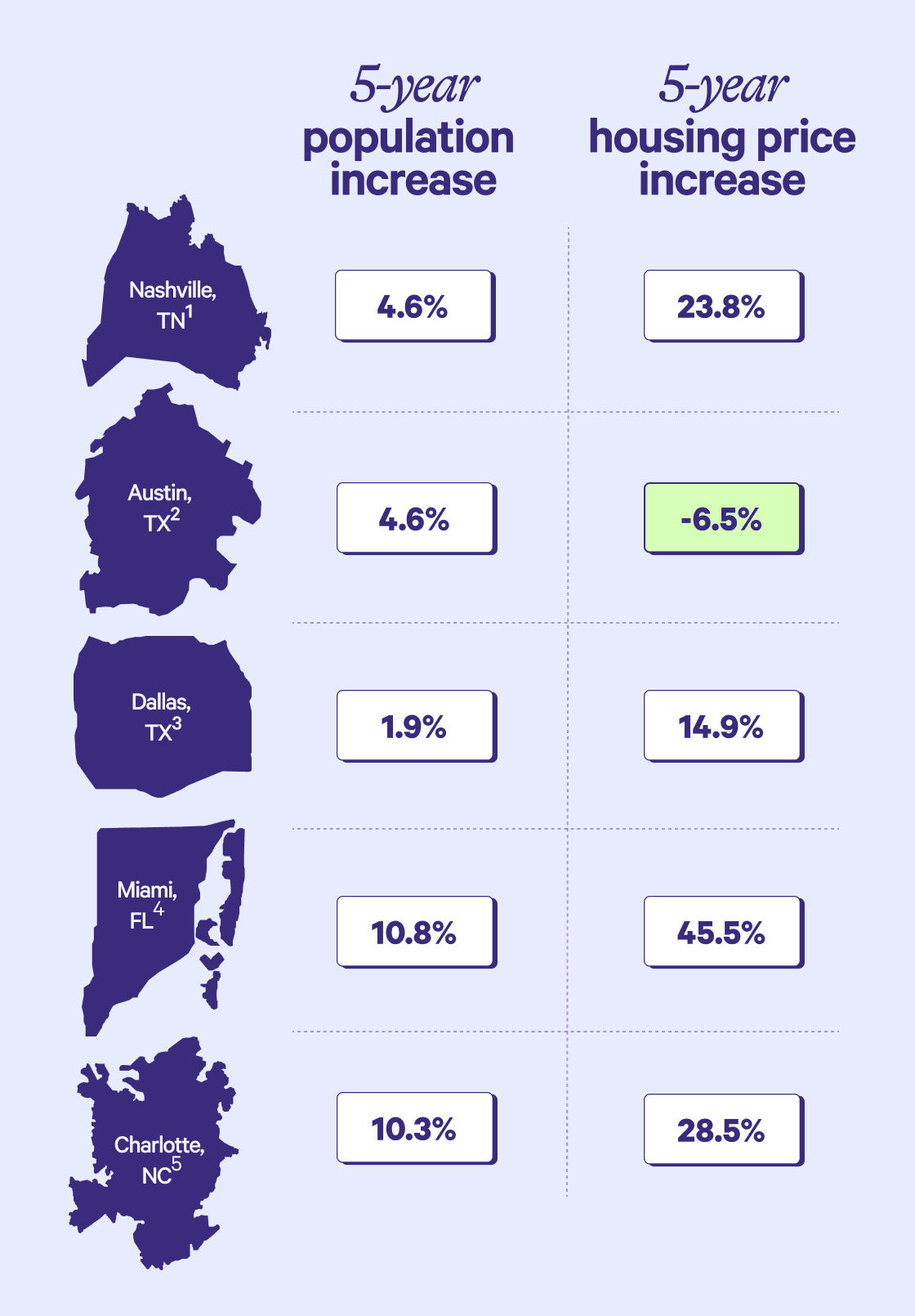 Census and Zillow data 1 Starbucks is investing $100 million in a Nashville office; Oracle is building a $4.5 billion complex to become its new headquarters. In-N-Out opened an eastern hub nearby. 2 Recent Austin HQ moves are headlined by Tesla and Realtor.com; Apple has a 13,000-person campus there. (See more on why prices have gone down in the city in Kyla Scanlon’s video below.) 3 Nasdaq opened a Texas exchange in Dallas in March, following the New York Stock Exchange’s earlier launch. Caterpillar moved in 2022. 4 Finance giants like KKR and Goldman Sachs have recently expanded operations in Miami, while Subway built its second headquarters there. 5 Recent additions: Honeywell, the North American operations of shipping giant Maersk, and a company building vintage-style electric trucks called Scout Motors. | ||||||
| Share this chart | ||||||
 | ||||||
| Who killed the starter home? Kyla Scanlon investigates. | ||||||
Part of the reason housing is so expensive in the US is because our single-family homes tend to be very large, and to get a bigger house, you have to pay more. But that wasn’t always the case; click above to hear why. The answer involves, among other things, basic math—but also rules about things like parking and sidewalks that could be changed, and in some places are being changed with promising results. This is the second of our three-part video series featuring author and commentator Kyla Scanlon. See here for Kyla’s Substack and here for her TikTok channel—and write us at askwealthfront@wealthfront.com to suggest topics you’d like her to cover in video number 3! | ||||||
| Share this section | ||||||
 | ||||||
| Substack’s leading authority on how things get built explains superwood (!), clean fracking (!), and other scientific leaps that could help with housing and electricity prices | ||||||
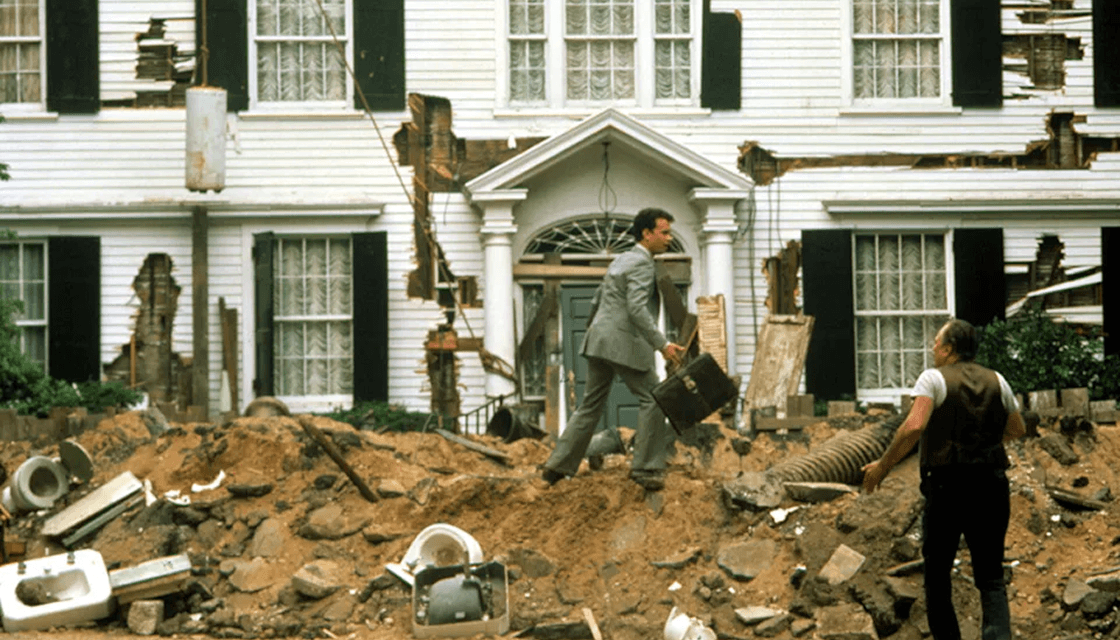 The Money Pit is what I call my electricity bill these days! (Gen Z: The Money Pit is a movie about home-related expenses—a movie is like 90 TikTok videos strung together—starring present-day old people Tom Hanks and Shelley Long. Image via Universal Pictures.) The conversation around home and energy costs in the US tends to be about how they’re a huge pain and getting worse by the day. (Guilty as charged on that front, and have you seen what’s happening in San Francisco with all the AI equity?) For a change of pace, we asked Brian Potter—an engineer, author, and senior fellow at the Institute for Progress whose experience at a construction startup inspired him to become an expert on how humans get better at making stuff—whether the march of scientific advancement might prove useful in addressing housing and electricity shortages. His answer was yes! Here are four developments he suggested feeling good about. 1. Someone invented a kind of wood that’s also steel. Researchers fiddling with cellulose at the University of Maryland came up with something called “superwood,” which is about ten times stronger and six times lighter than a typical steel beam. “Natural wood has various defects and stress concentrations in it—like, the strands aren’t continuous because a branch grew out of it—which constrains how strong that wood can get,” Potter says. Superwood is just regular wood that’s been treated to eliminate those deficiencies. Wood with the strength of steel, not surprisingly, would be a big deal for the homebuilding supply chain—especially given timber’s other advantages, like being naturally abundant. If it can be produced cost-efficiently, superwood could be particularly useful in areas like California and the Southeast that require stronger frames because of earthquakes and hurricanes. 2. You can do fracking for clean energy now. Geothermal power is a clean, perennially available source of energy that draws on hot springs and heated rock in the Earth’s crust. It hasn’t always been easy or cheap to access—but fracking, a process developed to extract fossil fuels, has changed that. “Historically, the way geothermal worked is you found a place where water was running through a really hot rock, you drilled and tapped into that water, extracted heat from it, and used that to run a turbine and generate electricity,” Potter explains. “Enhanced geothermal uses oil-and-gas technology to drill into a hot section of the earth, creates a network of cracks, injects water into the network, and extracts the heat that way.” Geothermal fracking plants are increasingly pumping out cheap electricity in rock-intensive states like Nevada and Idaho. 3. Batteries can save an entire power plant’s worth of energy for later. The cost of a lithium-ion battery has fallen by more than 97% per kilowatt-hour since the ’90s, driven by both government-funded and private research. “Batteries have been getting cheaper and cheaper and good enough that you can use them for all sorts of interesting things you couldn’t do before,” says Potter. “They’re reshaping the electrical grid, which was structured around the fact that you couldn’t really easily store electricity.” In other words: A few years ago it was prohibitively expensive to store the output of a power plant during low-demand hours, which was especially problematic for intermittent energy sources like solar and wind farms. But now it isn’t. And the more batteries get deployed, the less energy gets wasted and the more supply is available to meet demand. (GM just announced it’s getting into the utility-scale battery business, although it envisions a future that uses sodium ions instead of the lithium variety.) 4. One solution to the housing crisis might just be “calling mobile homes something different.” It’s often assumed that building components of a home on an assembly line, rather than creating everything from scratch on site, would lower costs. Potter, who’s studied the decades-long history of so-called prefabricated housing extensively, isn’t too bullish on that. “There are only so many ways to make some processes more efficient in construction and homebuilding,” he says, noting that myriad input costs (materials, equipment, and the on-site labor that’s still required to combine factory-built components) haven’t themselves gotten cheaper over time, all but mooting the differences between site-built and prefab homes. What does work at scale, though, are “manufactured”—i.e. mobile—homes, which are built in their entirety in a factory before being driven whole to the site. Potter calculates these typically cost 40-50% less to build per square foot than site-built homes. Having zero on-site assembly helps; so do standardized regulations. “They’re built to a different set of standards,” says Potter. “They don’t have to comply with a variety of conventional local building codes. They comply instead with a national code, the HUD code, which is basically tailored for them.” The downmarket reputation of mobile homes has hindered their adoption, as does the fact that they have to be small enough to fit on a truck. But these days, the types of manufactured houses that states like New York are encouraging are nearly indistinguishable from your typical single-family suburban starter home. Just imagine how slick they’ll look when they’re made of superwood! | ||||||
| Share this story | ||||||
 # of mentions of AI in this issue: 2 # of mentions of crypto in this issue: 0 # of photographs of Tom Hanks in this issue: 1 An apology: In our most recent Topic Tracker, we asserted that we had not mentioned AI in Issue #11—but in fact we had, in a sentence about the potential effect of higher interest rates on data center construction. We deeply regret the error, and send our thanks to the eagle-eyed reader who wrote in to point it out. Thank you to him, and to you, for reading all the way until the end! |
One new issue, bi-weekly
By submitting your email you agree to Wealthfront’s Terms of Use and will receive newsletter emails at the address provided. You may unsubscribe at any time.