

Vested Interest is a bi-weekly newsletter about what the latest developments in economics and finance might mean for your money, career, and life in general.
By submitting your email you agree to Wealthfront’s Terms of Use and will receive newsletter emails at the address provided. You may unsubscribe at any time.
It’s actually a good sign that there are so many Spirit Halloweens
October 30, 2026
 | ||||||||
[Sneaking up behind you in a dark forest and grabbing your shoulder] Hey! It’s the Halloween edition of Vested Interest, kicking off a stretch in which we will be sending you a few special issues: One that’s all about insurance (you’re welcome), one about Anthropic’s imminent IPO, and one about Thanksgiving stuff (food, football, infuriating air travel). This week, though …
| ||||||||
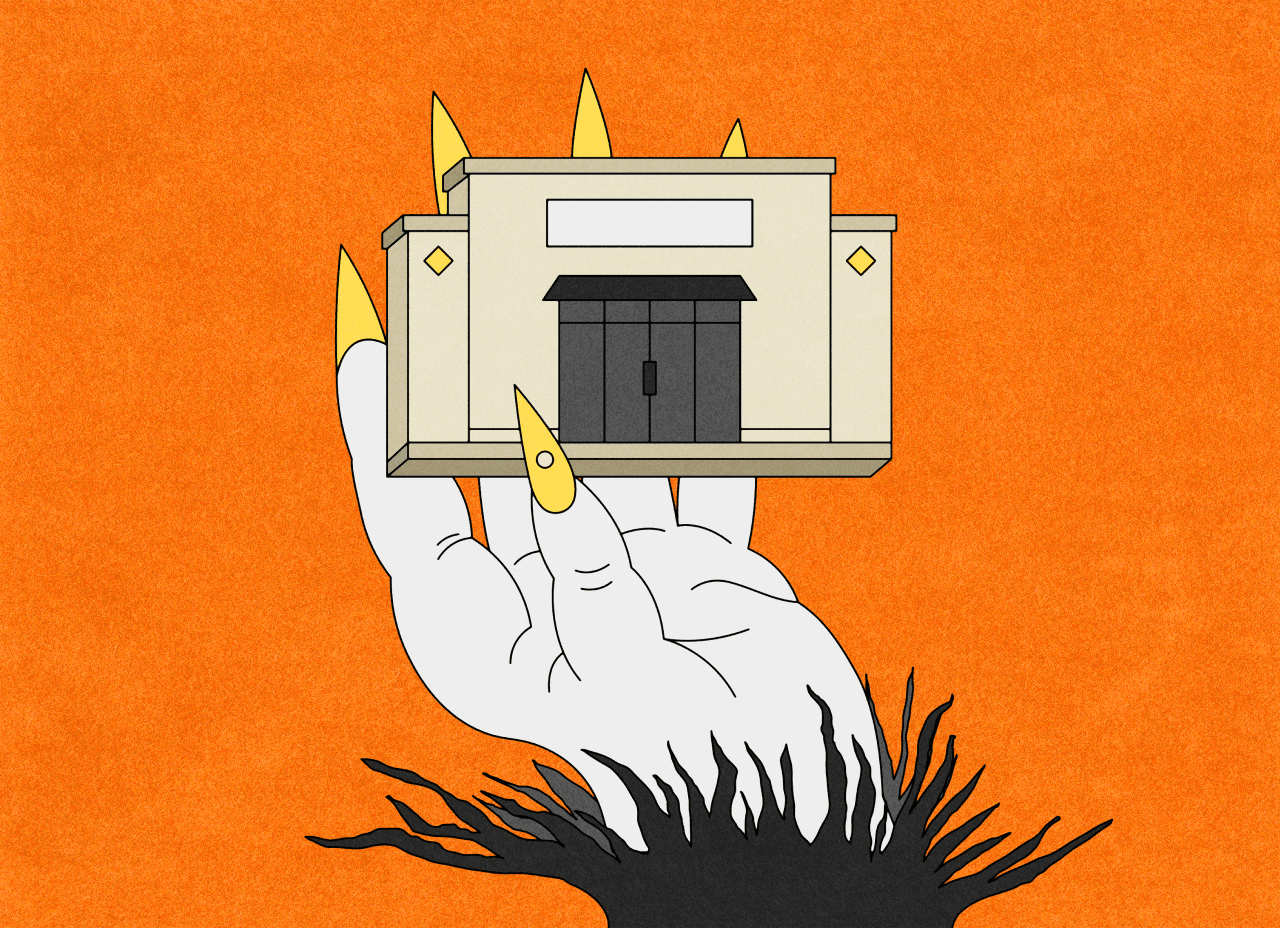 Read on to learn why kitschy seasonal pop-up stores are not necessarily an ominous sign for a retail location. Illustration by Wealthfront. | ||||||||
 | ||||||||
| Three numbers that explain the economic moment | ||||||||
| ||||||||
| Share this section | ||||||||
 | ||||||||
| Why higher interest rates aren’t always a nightmare | ||||||||
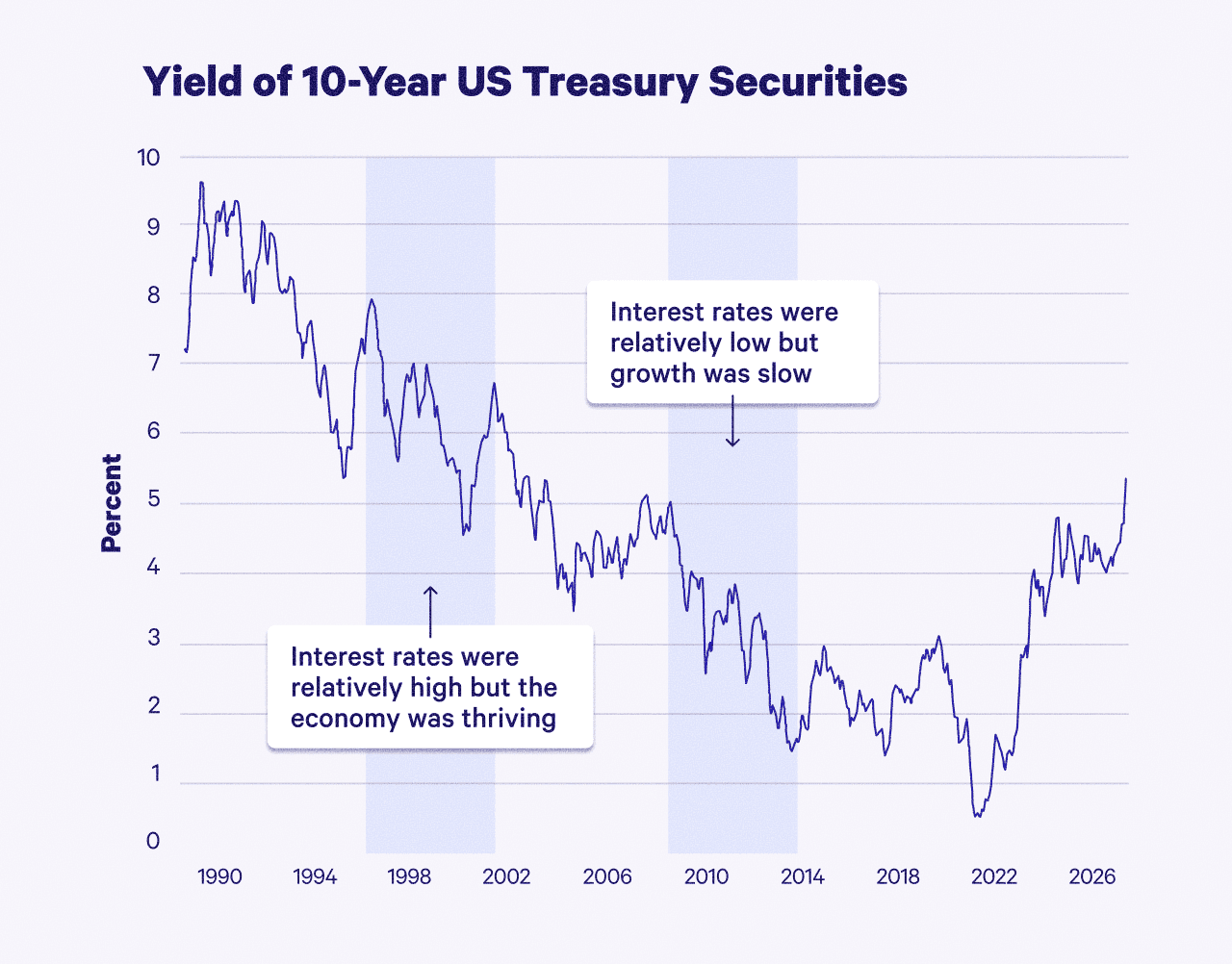 Illustration by Wealthfront; data via Federal Reserve. As we just mentioned, the Fed raised interest rates last month for the first time in three years—and while consumers often see hikes as bad news, former Financial Times columnist and Overshoot author Matthew C. Klein has been adamant that what’s going on is actually good. We asked him why. High interest rates are good? If you look over a longer time horizon, interest rates now are still a lot lower than they were in, say, the 1990s, when the economy was growing quite quickly. When executives think that there are great investment opportunities, they compete with each other and with consumers for materials, equipment, and labor. That tends to be good for everyone’s income, but it also means that borrowers need to offer higher returns to savers to compete with the companies that have lots of exciting investment opportunities. So higher rates and inflation could be a signal the economy is taking off. Why is consumer sentiment so depressed, then? If you look at actual consumer behavior in terms of spending and investing and borrowing, I think people are acting like their circumstances are sustainable and that this is not an unhealthy moment. But confidence can be misplaced—what if it’s all a lot of bubble psychology? We were seeing a lot of investment, even before AI, in things like semiconductor fabricating plants and energy production and rearmament. Is AI going to put people out of work, though? To put it in perspective, the jobless rate for young people right now is 10%. That might sound high compared to the overall unemployment rate, but it’s close to its all-time low, and in 2009 it was 19%. This is not an economy that needs the low interest rates that prevailed at a period of time when everyone was trying to pay down debts and no one had a job. People today have more assets and less debt, and companies actually think they have things that are worth spending money on. | ||||||||
| Share this section | ||||||||
 | ||||||||
| Ghostbusting the spectres of markets past | ||||||||
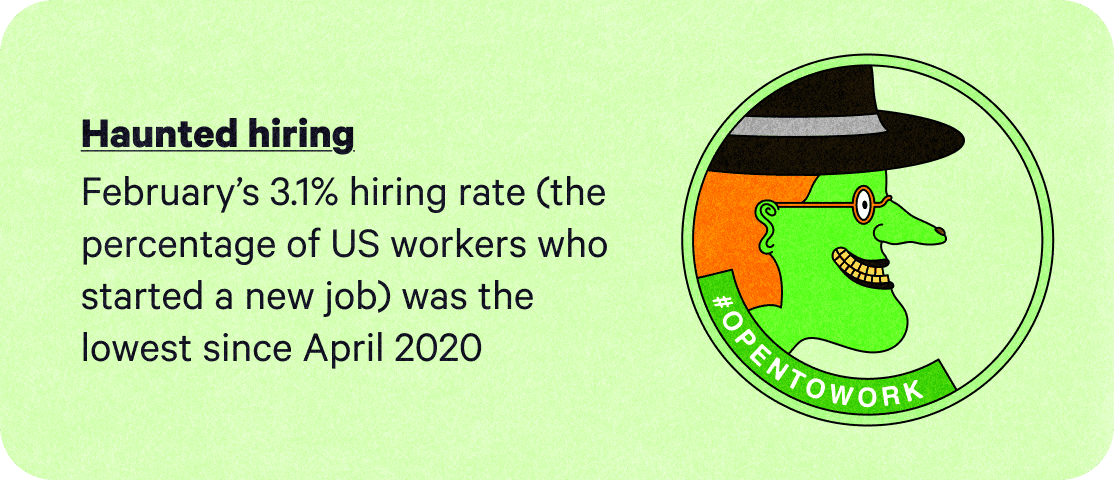
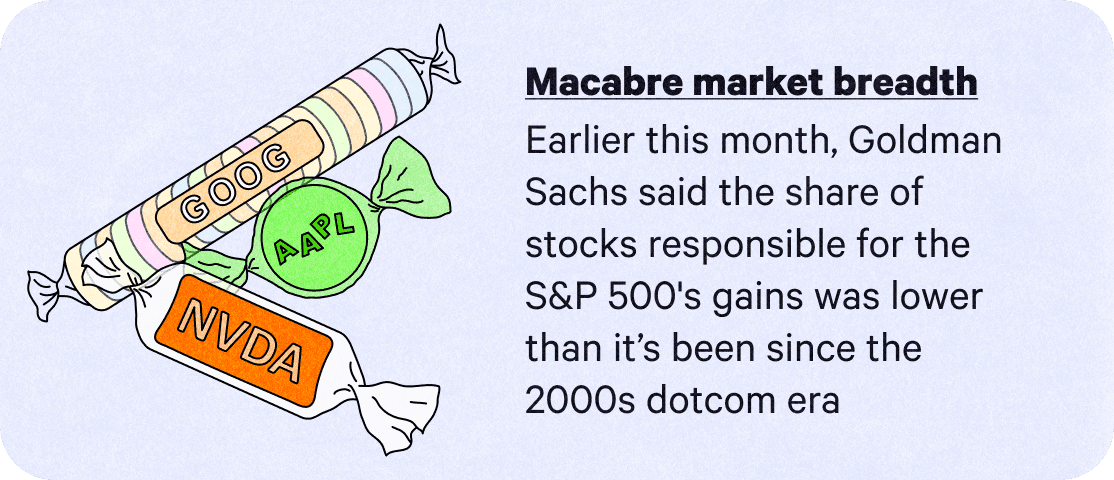
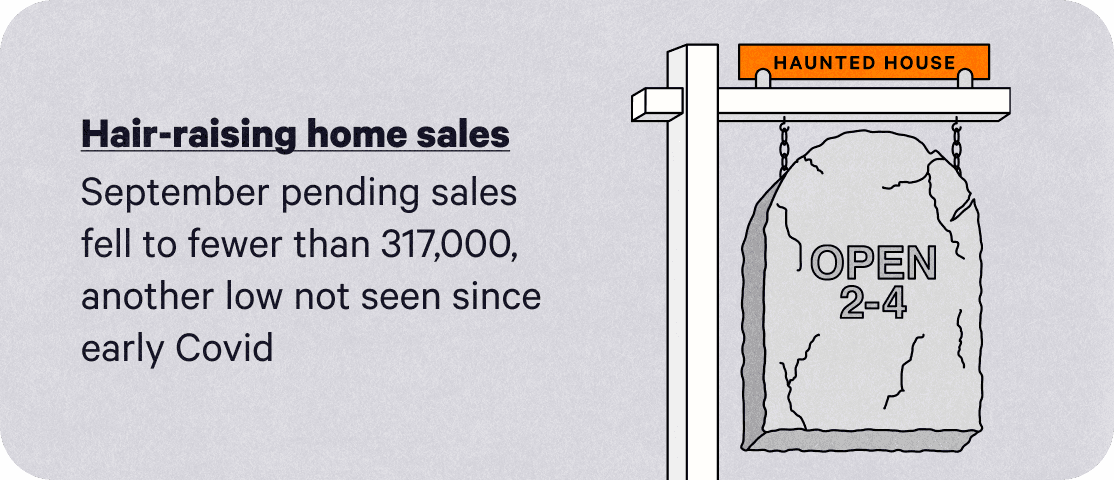
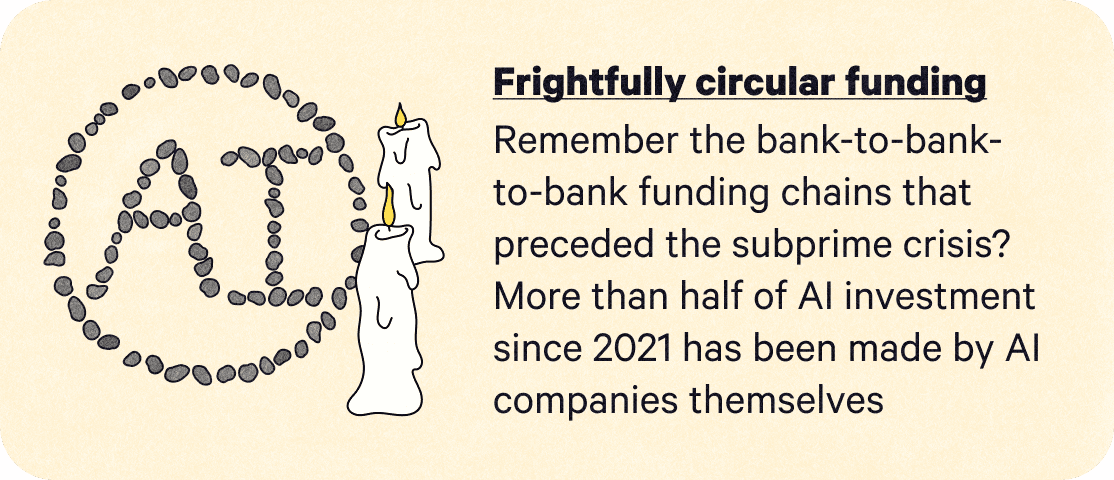
| There’s nothing the financial press loves more than an economic indicator that hasn’t been this bad/high/low/whatever since just before the dotcom crash or Great Depression. Here are a few we’ve seen recently, but read to the end before running to hide your money in a poorly lit basement. | ||||||||
 | ||||||||
 | ||||||||
 | ||||||||
 | ||||||||
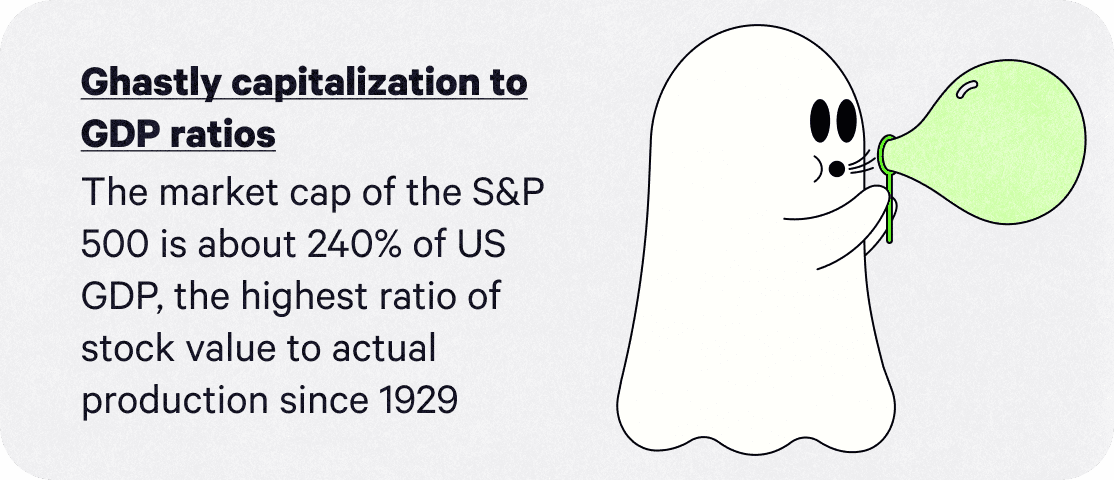 | ||||||||
All illustrations by Wealthfront. Left unsaid by these alarmist factoids is that, according to the historical data, you should be much more terrified of trying to time the market by “selling high” than of any given downturn. (This, as we’ve mentioned before, is the gist of the joke about various ominous indicators that have predicted nine of the last five recessions.) Considering the possibility of a rough near-term market is perfectly reasonable when making life and career choices, but when it comes to actual investing, it’s been best not to try to find a crystal ball. | ||||||||
| Share this section | ||||||||
 | ||||||||
| You’ve gotten Spirit Halloween all wrong! | ||||||||
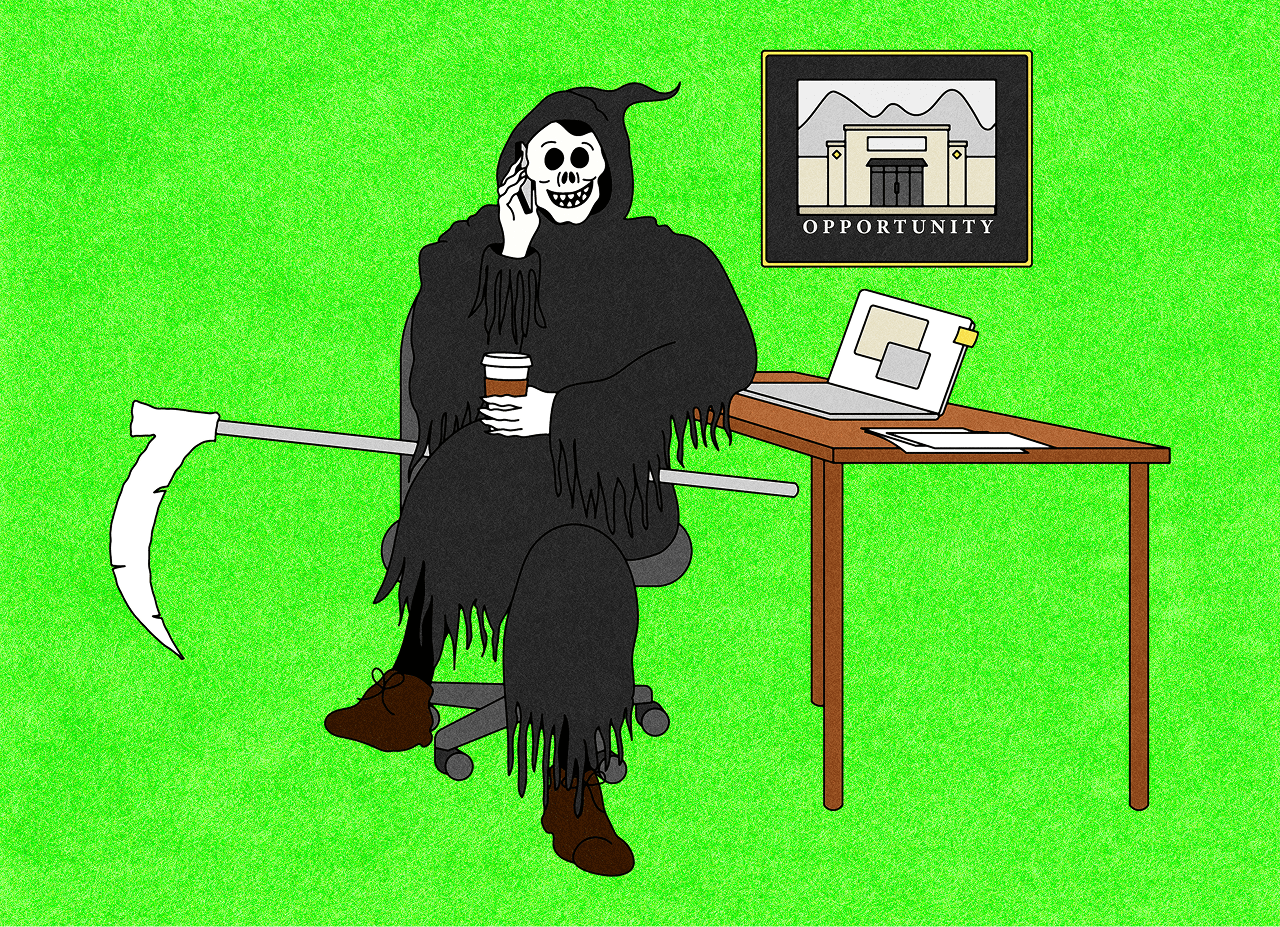 More like #ghoulboss, get it? Illustration by Wealthfront. The joke about Spirit Halloween is that it’s the grim reaper of retail. In the meme, being replaced by the seasonal pop-up means you’re deeply irrelevant or perhaps dead. But this reputation is misleading, real estate experts say: Its stores can actually tell us something about where the US economy is doing well. “Spirit Halloween wants to be where shoppers are,” explains Rudy Milian, a retail specialist who runs a realty company in New Jersey. “They pinpoint their markets. They’re picking hubs where the commercial activity is.” Right now, that means fighting for real estate in the suburbs. Thanks to remote work, daytime visits to urban retail corridors have dropped an estimated 20% to 30% from pre-pandemic levels, and there are fewer commercial vacancies in the suburbs than in cities. Across the country, more stores are opening up than shutting down: As of August, major US retailers had announced 3,389 openings and 3,262 closures this year, per Coresight Research. (In 2025, there were more closings than openings by a wide margin.) Counterintuitively, low vacancy rates can mean landlords are actually more willing to sign short-term tenants like Spirit. Says Theresa Blauch-Mitchell, a broker with Sperry who’s spent 15 years representing a Florida pop-up called Halloween Megastore: “When you see spots that are sitting empty in retail, quite often it’s not for lack of interest. You’re like, ‘Oh my gosh, what’s wrong with this location?’ There may not be anything wrong. It just may be a savvy landlord that says, ‘I want this type of client, I want this many years, I want this kind of credentials, this type of credit.’” Long-term commercial leases can also take months of negotiations to finalize once an ideal tenant is located, and might require planning for construction that can push timelines back even further. “We help fill that gap and provide cash flow in the meantime,” Blauch-Mitchell says. Other seasonal clients—tax preparers, fireworks tents, and Christmas decoration vendors—can help fill the calendar too. Blauch-Mitchell says she generally negotiates such deals about six months ahead of time, which means Halloween deals are finalized in June. (Milian says they usually include an opt-out clause allowing the landlord to cancel the deal if they find a long-term tenant instead before the end of July: “Commercial license agreements are much more favorable to landlords than residential leases as far as evicting the tenant.”) Blauch-Mitchell says her clients pay fully upfront in advance, with costs for a seasonal rental ranging from roughly $35,000 to $125,000. Spirit is also trying to respond to how Americans are shopping by making their stores more “experiential.” The outlet, like many other brick and mortar retailers, wants to offer customers a reason to shop IRL instead of having an Agamemnon costume delivered by drone from a warehouse. The stores are packed with animatronic ghouls and ghosts, and this year some locations feature ’80s-themed “Camp Harbor Lake” installations. (“For many Halloween fans, visiting Spirit has become an annual tradition and the unofficial start of the season,” the chain’s CEO said, aspirationally, in a recent press release. “We take great pride in being part of that tradition”) With 1,550 locations in 50 states, shoppers searching for a terrifyingly affordable costume experience this year didn’t have to look far. | ||||||||
| Share this story |
One new issue, bi-weekly
By submitting your email you agree to Wealthfront’s Terms of Use and will receive newsletter emails at the address provided. You may unsubscribe at any time.