

Vested Interest is a bi-weekly newsletter about what the latest developments in economics and finance might mean for your money, career, and life in general.
By submitting your email you agree to Wealthfront’s Terms of Use and will receive newsletter emails at the address provided. You may unsubscribe at any time.
Your guide to insurance (and a Jensen Huang update)
November 23, 2026
 | ||||||||
Back in May, we asked you what expense you were most surprised by when you started paying for things on your own. The answer, unanimously, was insurance. After a few delays necessitated by big market drama, we’ve delivered an issue on that subject—plus a little more about the drama—for your consideration during Thanksgiving week (and open-enrollment season). Included …
| ||||||||
 Keep reading for some premium information about your premiums. Illustration by Allie Sullberg/Wealthfront. | ||||||||
 | ||||||||
| Three numbers that explain the economic moment | ||||||||
| ||||||||
| Share this section | ||||||||
 | ||||||||
| Jake from State Farm confronts the anthropocene | ||||||||
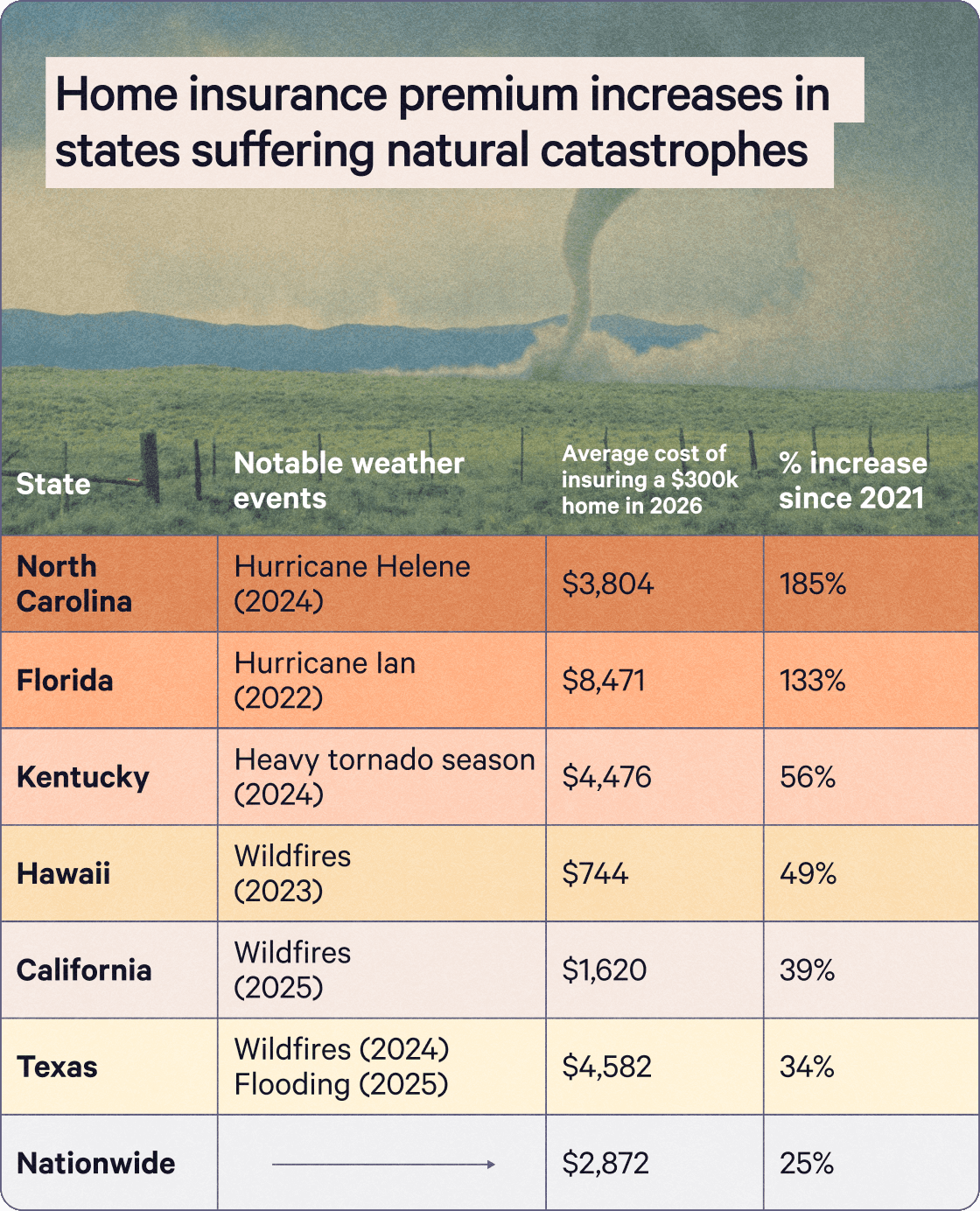 Source: Insurance.com data based on a $1,000 deductible. Rates will vary by location and specifics, including the amount of coverage needed. Graphic by Wealthfront; image from Unsplash. Home insurance costs have been rising especially quickly in states suffering the kind of weather-related disasters likely to become more common due to climate change. Going forward, is the idea of insuring a dwelling in California or Florida simply hopeless? Patrick Wolff, a financial analyst and consumer advocate who publishes a Substack about the insurance market called Wolff’s Den, says no. He believes responses like California’s Sustainable Insurance Strategy, which allows insurers to use rate-setting models that consider the probability of catastrophic events in return for expanding coverage in high-risk areas, are already helping. (A May report suggested Florida’s market is also stabilizing, and the state is touting significant rate reductions; that said, consumer discontent is still running high and the subject was a major issue in this month’s gubernatorial election.) Wolff cautions that there are still major differences between insurers. “Be an active shopper online and do your own research into how well they pay out claims,” he recommends. “It’s not just about getting the lowest rate.” He also suggests considering “extended replacement coverage,” i.e. coverage on top of what you’re initially offered, because insurance models can fail to keep up with the market value of homes and the rising cost of repairs. | ||||||||
| Share this section | ||||||||
 | ||||||||
| Buy THIS and not THIS with your leftover flex money | ||||||||
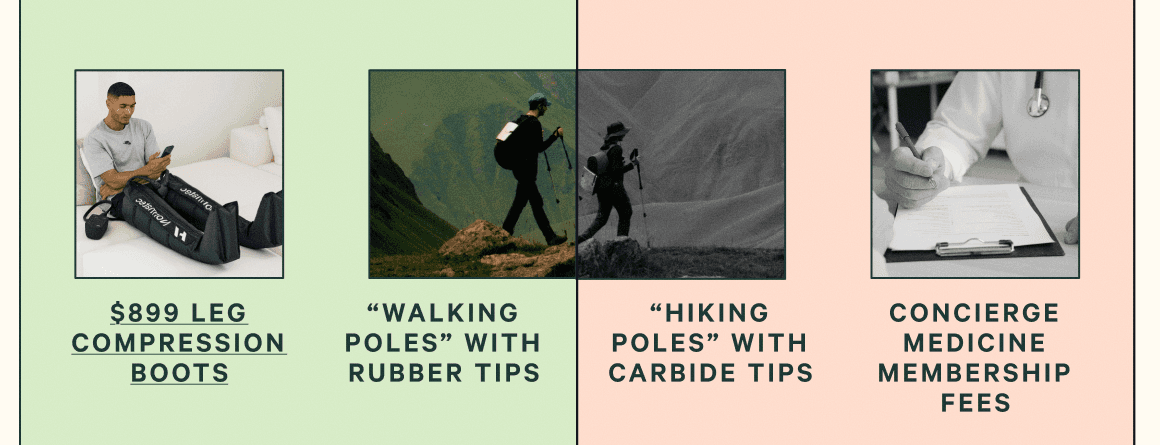
| Got some end-of-the-year money left in an FSA or HSA? (Note: check with your employer, but unused FSA funds don’t completely roll over year to year, while HSA funds do.) It turns out the federal definition of a health-related expense is quite open-minded, although not infinitely forgiving. Below, a few acceptable ways to treat yourself—and some that won’t fly—via the FSA Store and FSAFeds.gov. | ||||||||
 | ||||||||
 | ||||||||
 | ||||||||
 | ||||||||
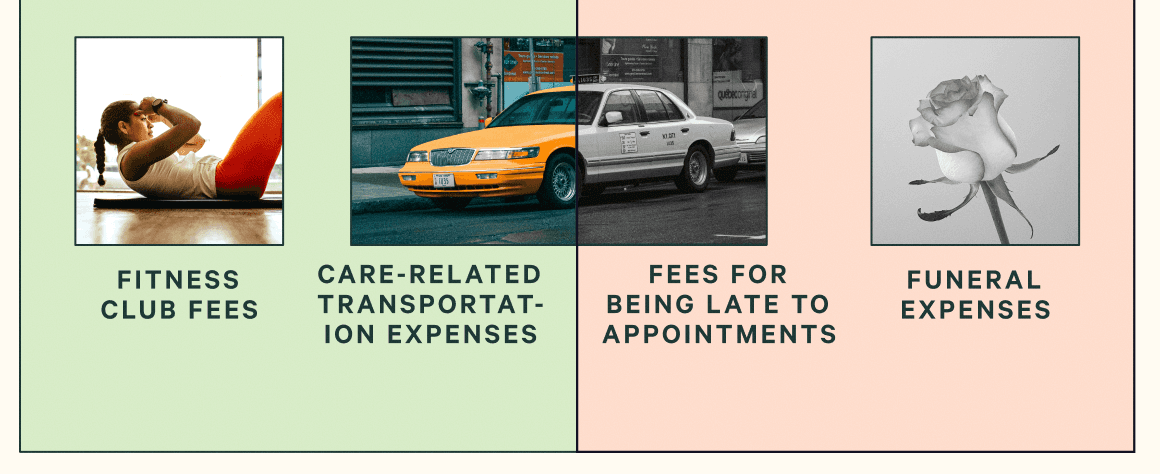 | ||||||||
Note: Some purchases require a doctor’s note for reimbursement. Graphic is for informational purposes only. Costs will vary. Photo illustration by Wealthfront; source images from Unsplash and FSA Store. | ||||||||
| Share this section | ||||||||
 | ||||||||
| How Ozempic, lab diamonds, and the Los Angeles Dodgers are affecting insurance prices | ||||||||
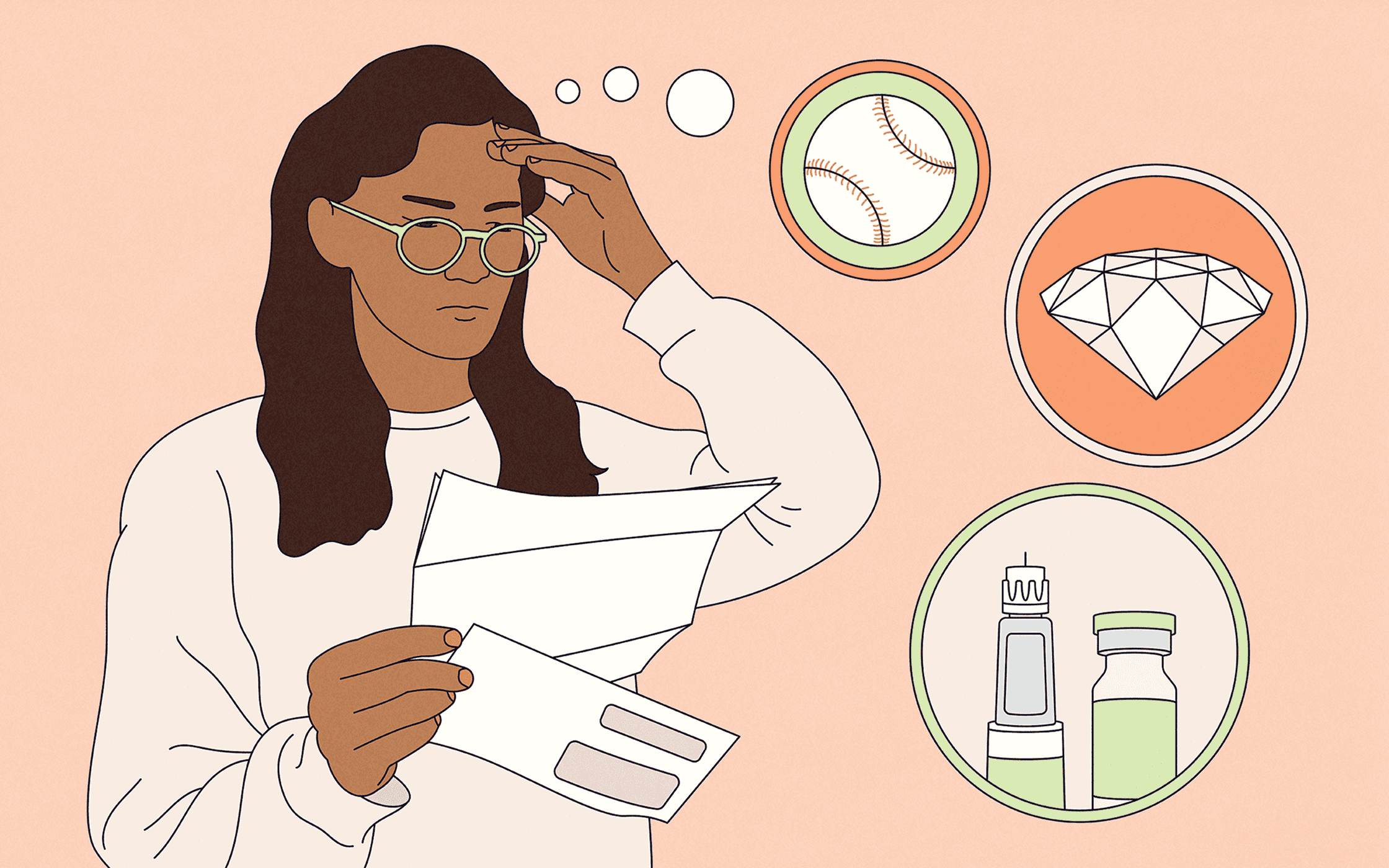 Illustration by Allie Sullberg/Wealthfront. We had questions about how some stuff in the headlines might impact the cost of insurance. So we tried to answer them! Why are health insurance premiums, on average, rising if GLP-1s are making many people healthier? It’s true that if treatments like Zepbound and Wegovy continue to reduce rates of obesity and associated conditions, US residents—and their insurance companies—might end up spending less on health care. But these projected benefits would accrue over the course of decades, and insurance companies set their rates based on what they expect to have to spend right now. As a recent American Academy of Actuaries report explains, Ozempic and similar drugs still cost a lot—around $700 a month if you’re paying full price—and there’s no guarantee that people are going to keep taking them at current rates for their entire lives, given the costs and the side effects. (This all said, because of out-of-pocket costs, you are more likely to save on health care expenses going forward if you are healthier, regardless of what happens at the population level.) Should I feel guilty about paying a concierge service or One Medical fee to get primary care when I already pay for insurance? “It’s become very hard to find a PCP [primary care provider] in many parts of the country,” says Amy Bach of the consumer advocacy group United Policyholders. (Anecdotally and empirically, we can confirm that getting an appointment with a PCP can be difficult if you don’t want to wait, like, ten years.) Whether the expense is a good idea for you will depend on your resources and specific needs, but in Bach’s opinion it can be worth it as a means of getting basic care promptly. There are self-driving cars everywhere, which are supposed to be safer, and advanced safety tech in every new regular car. Why am I still paying more every year in car insurance? The self-driving features most frequently found in new vehicles—lane assist, adaptive cruise control, etc.—are between levels 0 and 2 on the six-level autonomous driving scale. Humans can still steer these cars off a cliff at 90 mph if they decide to, which means they’re largely treated like regular old analog vehicles by insurers. According to United Policyholders’ Bach, insurers also argue (with some justification) that the epidemic of texting-while-driving crashes has more than outweighed the safety benefits of new tech. As for cars that can fully self-drive, it’s murky. Some autonomous vehicle (AV) manufacturers are selling their own insurance or partnering with insurers to determine personalized rates, and the idea in theory is that the more you engage your self-driving system, the less you pay. But as this piece in Money lays out, many self-driving systems call on human passengers to remain attentive as a failsafe, which insurers don’t count on everyone doing. Insurers also aren’t necessarily going to take safety data provided by manufacturers themselves at face value, and it costs more to repair the expensive equipment in AVs. Can I get lower car insurance rates without giving all my information to an app? Opting into “telematics systems” that monitor the actions you take on the road, like Geico’s DriveEasy or Allstate’s Drivewise, can provide policyholders with around a 25% discount on average (assuming a safe driving record). Wolff, the insurance Substacker quoted above, calls telematics “one of the most important technological advances in insurance in many years” and says some studies suggest they lead to better driving. But, he cautions, “there have been cases where insurance companies and original equipment manufacturers were not good actors regarding keeping your data private.” He recommends that interested users investigate potential insurers’ privacy policies and records of behavior where they live. (Auto insurance is regulated at the state level.) Will shifting gold prices and the flood of lab-grown diamonds affect the payout I might get for lost or stolen jewelry? Lab-grown diamonds can be produced in about a week and can sell, profitably, for prices as low as 90% below an equivalent stone obtained the old-fashioned way. Mined-diamond values have fallen 51% since 2021. Large swings in value—gold has been going through one as well—can be a problem for jewelry insurance policyholders. “Most jewelry and watch insurance policies are replacement policies,” says Dustin Lemick, CEO of jewelry insurer BriteCo. “If you’re drastically overinsured or drastically underinsured, you have a problem both ways.” In layperson’s terms: If you’re paying for $20,000 worth of insurance on an item that costs $10,000 to replace, you’ve spent too much on premiums; if you’re paying for $5,000 worth of insurance on an item that costs $10,000 to replace, you haven’t spent enough. One way around this, Lemick says, is a stated value policy—“where you just say, ‘Hey, this watch is worth $20,000’ and then the policy will pay you $20,000.” Another widely recommended practice: Getting your jewelry re-appraised every few years to avoid unwelcome surprises. Is the life insurance industry at risk because of the alleged misallocation of customer payments into businesses like the Dodgers? It’s a pretty complicated story, but in brief, news reports and government investigations suggest that some of the firms that own life insurance companies have been using shell transactions to route customers’ premium payments into high-risk investments and/or other companies they control. (The owner of the Dodgers has not, for the record, been charged with a crime.) “There are a growing number of life insurance companies that are genuinely at financial risk, and that means policyholders are at genuine financial risk,” says Wolff. But that doesn’t mean, he emphasizes, that every insurance company has behaved irresponsibly. His advice is to research your options rather than immediately choosing the company that offers the highest payout for the lowest premium. “You should look at a life insurance company’s AM Best rating, for one,” he says. “And as a rule of thumb the companies which are owned by their policyholders rather than having publicly traded stock”—so-called mutual companies—“tend to be more conservative with their assets and investments than the life insurers that are owned by stockholders.” He also believes that there is nothing inherently wrong with annuities, the product that many of the companies involved in these stories are using to fund the questionable investments. An annuity lets you pay a lump sum up front in order for a guaranteed annual income for as long as you live, even if that turns out to be a very long time. “I think it makes all the sense in the world to protect yourself against living into very old age and running out of savings,” he says. (When it comes to products that pay out to your loved ones if you don’t live into old age, consumer advocates generally recommend “term” life insurance rather than “whole life.”) Note: In our last issue, we wrote in error that Uber was worth twice as much as Lyft by market capitalization. It’s actually worth more than 20 times its competitor. See the updated story here. | ||||||||
| Share this story | ||||||||
 Wealthfront is conducting a survey about how people think they’re doing relative to others financially—and what’s top of mind when it comes to money heading into 2027. You can take the survey here, and we’d love to hear your opinions. |
One new issue, bi-weekly
By submitting your email you agree to Wealthfront’s Terms of Use and will receive newsletter emails at the address provided. You may unsubscribe at any time.